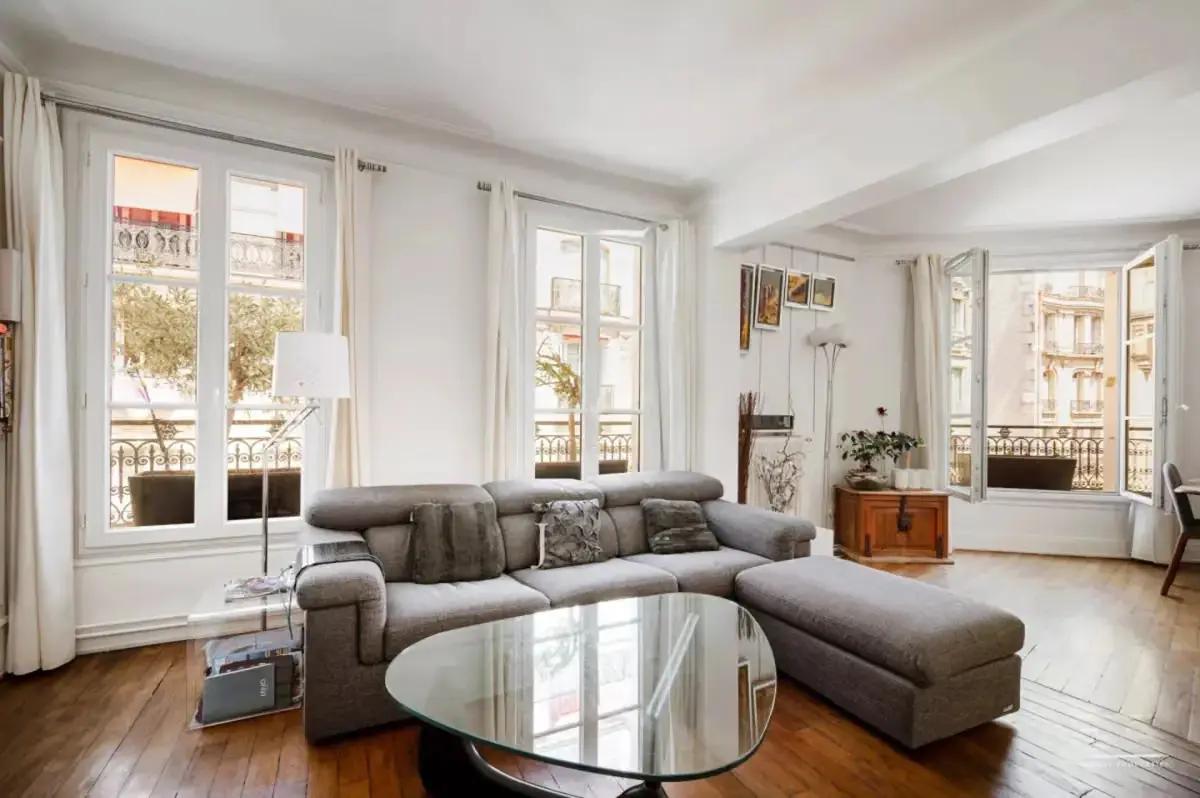



Where to Sell Property Online: 2027 Fees, Sites and Tips
Where to sell property online in 2027? Compare trusted French listing sites, fees, and practical tips for selling your Paris property.

- Published on
- Reading time
- 5 min read
Introduction
Selling property online can help you reach buyers across France and abroad. However, choosing a listing website is not as simple as picking the platform with the most visitors.
Some websites offer free property advertisements. Others charge monthly fees or provide professional selling services. More importantly, not every platform attracts buyers suited to your property.
For example, selling a small apartment in eastern Paris may require a different approach from marketing a luxury home in Saint-Germain-des-Prés.
Knowing where to sell property online can help you avoid unnecessary costs, attract serious enquiries, and prepare for a smoother sale.
This article compares popular French property websites and explains how to assess their reliability. It also covers listing fees, practical selling steps, and legal requirements for 2027.
Where Can You Sell Property Online in France?
France has several established real estate websites where homeowners and agencies advertise properties for sale.
Some platforms focus on private transactions. Others combine individual listings with properties marketed by professional estate agents.
Before choosing a website, consider whether it reaches your target buyers and offers the tools you need.
1. PAP: for selling directly to buyers
PAP (Particulier à Particulier) is a French property website designed for transactions between private individuals.
It allows homeowners to advertise directly to buyers without using a traditional estate agent. Sellers can create descriptions, upload photographs, manage enquiries, and arrange viewings.
PAP also offers different levels of support. Its paid seller subscriptions currently start at around €49 per month. Higher tiers add services such as contact filtering and a dedicated adviser. The site also offers a free trial listing.
PAP is worth considering if you want control over your advertisement and are comfortable managing buyer communication.
However, you will still need to handle negotiations, required documents, and coordination with the notary.
2. Leboncoin: for reaching a broad audience
Leboncoin is one of France’s established classified advertising platforms. Its property section includes homes marketed by private owners and estate agents.
The main advantage is its broad audience. People browsing Leboncoin can discover apartments, houses, land, and other properties across France.
Private sellers can publish a limited number of property advertisements free of charge within a rolling 12-month period. Renewals and additional listings may carry insertion fees. Optional paid features can also increase the visibility of an advertisement.
However, broad exposure does not always lead to serious offers. You may receive enquiries from buyers who have not arranged financing or are still exploring the market.
Leboncoin can work well for properties with broad local demand, especially when the advertisement includes accurate information and clear photographs.
3. SeLoger: for private and agency listings
SeLoger is a major French real estate portal that features properties from both professionals and private individuals.
Homeowners can now publish their own advertisements directly, so it is no longer an agency-only platform. Individuals can publish a property advertisement for free (opens in a new window) and edit it at any time. The platform also provides tools to manage contacts and track listing performance.
Because SeLoger focuses on property searches, its audience includes people actively looking for homes.
For a Paris apartment, a detailed advertisement should mention the arrondissement, floor level, surface area, energy rating, and main building features. These details help buyers decide whether the property suits their needs.
SeLoger is therefore a practical option for owners who want online exposure without paying an initial listing fee.
4. Bien’ici: for agency-led property exposure
Bien’ici is a French real estate portal known for its map-based search features. Buyers can explore properties by location and assess their surroundings, including transport connections and nearby amenities.
The platform mainly distributes advertisements from real estate professionals. For property owners, this means Bien’ici is generally accessed through an estate agent rather than a standard private listing account.
An agent may advertise the same property through Bien’ici, SeLoger, and other professional portals. This can increase visibility among people who search on different websites.
If you choose an agency, ask which property portals are included in its marketing plan. Also check how the agency keeps prices, photographs, and descriptions consistent across listings.
5. Specialist estate agency websites in Paris
General property websites can reach large audiences. Specialist estate agencies, however, may attract buyers with more specific requirements.
This matters when selling high-value properties or apartments with distinctive features. For example, someone looking for a renovated Haussmann apartment in the 6th arrondissement may prefer a website focused on premium Paris properties.
Specialist websites can be useful for marketing:
- Luxury apartments and private mansions.
- Properties with balconies, terraces, or landmark views.
- Homes in prestigious Paris neighbourhoods.
- Investment properties and pied-à-terre apartments.
- Properties aimed at international buyers.
Estate agencies may also have an existing network of buyers whose budgets and requirements have already been assessed.
Estate in Paris, for example, presents its properties for sale in Paris by arrondissement, with prices, surface areas, and photographs. This shows how a locally focused website can market apartments to buyers interested in the capital.
For some properties, reaching a smaller group of suitable buyers is more useful than generating thousands of general listing views.

| Property website | Main audience | Private owner listings | Listing costs |
|---|---|---|---|
| PAP | Buyers purchasing directly from owners | Yes | Free trial and paid subscriptions |
| Leboncoin | Broad French audience | Yes | Free allowance with paid options |
| SeLoger | Buyers actively searching for homes | Yes | Free private listings |
| Bien’ici | Buyers searching agency properties | Mainly agency-led | Usually included in agency marketing |
| Specialist agency websites | Local and international property buyers | Usually through an agency | Based on the agency agreement |
How to Choose a Reliable Property Selling Website
Finding where to sell property online is only the beginning. You also need to know whether a platform is trustworthy and suitable for your property.
A reliable website should have transparent pricing, clear publishing rules, secure communication, and access to relevant buyers. The criteria below can help you evaluate your options before paying for an advertisement.
Step 1: Check the website’s reputation and reviews
Start by checking who operates the website. A legitimate property platform should provide clear company information, contact details, terms of service, and a privacy policy.
Independent customer reviews can also reveal how the platform treats sellers. Pay attention to recent feedback about customer support, unexpected fees, subscription cancellations, and advertisement management.
Do not rely only on the overall star rating. Read both positive and negative reviews to identify common problems. Repeated complaints about surprise charges may be more concerning than occasional technical issues.
Be cautious of websites that promise a guaranteed sale or a fixed selling price. No advertising platform can guarantee that a buyer will complete a transaction.
Step 2: Look at buyer traffic and audience quality
High website traffic can improve exposure, but it does not guarantee suitable enquiries.
Consider the difference between someone browsing property advertisements and a buyer actively searching within your price range. An apartment listed at €1.5 million in Paris may receive fewer enquiries than a small studio. However, those enquiries may be more valuable if they come from qualified buyers.
Look at similar properties on the website. Check whether it attracts buyers interested in your neighbourhood, property type, and budget. For higher-value apartments, targeted marketing may be more useful than general advertising.
A successful property listing is not measured by how many people see it. What matters is reaching buyers who are interested, financially prepared, and ready to move forward.
Step 3: Compare listing fees and hidden charges
Before creating a paid advertisement, check the complete pricing structure. Some websites charge for premium placement, extra photographs, listing renewals, or additional marketing services. Others use monthly subscriptions that continue until cancelled.
Review the terms carefully, especially if your apartment may remain on the market for several months. For example, a €50 monthly subscription costs €200 over four months.
That may be reasonable if it generates relevant enquiries. However, paying more for advertising is not always the answer when a listing receives little interest.
Check whether the website allows you to cancel, edit, or remove your advertisement without extra charges. Always compare the expected total cost rather than the starting price.
Step 4: Review listing tools and seller support
A good property selling website should help you present your home clearly and manage buyer interest. Useful features include professional-quality photographs, floor plans, video tours, and listing statistics.
A floor plan helps buyers understand how rooms connect and whether the layout suits their needs. This is particularly valuable in Paris, where apartments with similar surface areas can have very different layouts.
Seller support also matters. Check whether the website provides assistance with account problems, advertising rules, and managing enquiries. If you live abroad, consider how easily you can respond to messages and arrange viewings remotely.
Step 5: Check security and buyer verification
Security is another important factor when choosing where to sell property online. A property advertisement may attract people requesting personal information, ownership documents, or payment details.
Never assume that someone is a genuine buyer simply because they contacted you through an established website. Be careful with unusual requests, suspicious links, and offers made without basic questions about the property.
Avoid sharing sensitive documents through unverified email addresses or messaging services. For serious negotiations, you can ask buyers about their financing arrangements and involve an estate agent or notary where appropriate.
A trustworthy website should also make it easy to report suspicious accounts and understand how personal data is handled.
Step 6: Check the website’s reach in Paris
A platform may perform well across France but attract fewer suitable buyers in a particular Paris neighborhood.
Search for properties similar to yours. Pay attention to the number of comparable advertisements, the level of detail provided, and the types of homes being marketed. A website focused mainly on lower-priced apartments may be less suitable for a luxury property near the Luxembourg Gardens.
International reach can also make a difference. Buyers relocating from the UK, US, or other countries may prefer English descriptions, detailed floor plans, and remote viewing options.
Before choosing a platform, use this checklist.
7 checks before choosing a property selling website:
- The website provides clear company and contact information.
- Recent seller reviews indicate reliable service.
- Its audience matches your property and location.
- Advertising fees and renewal terms are transparent.
- The platform offers suitable listing and enquiry tools.
- Personal data and buyer communication are handled securely.
- The website reaches buyers interested in Paris property.
If a platform does not meet several of these criteria, compare other options before publishing.
How Much Does It Cost to Sell Property Online in 2027?
The cost of selling property online depends on your advertising method and whether you use professional assistance.
Private listings can be inexpensive. However, a property sale often involves expenses beyond the advertisement itself.
Free property listings vs paid packages
Several French property websites offer free basic listings or limited free advertising. Others charge monthly subscriptions or fees for additional services.
PAP, for example, offers paid subscriptions from around €49 per month, alongside a free trial listing. Leboncoin has a free-listing allowance for private property sellers. SeLoger currently allows individuals to publish advertisements free of charge.
Paid features may include better placement, additional photographs, virtual tours, or assistance with enquiries. These services can improve your advertisement, but they do not guarantee a sale.
Before paying, consider whether the platform already reaches suitable buyers and whether your asking price is realistic.
Estate agent fees in France
When selling through an estate agent, the commission is usually agreed before the property is marketed. Fees may be calculated as a percentage of the sale price or charged as a fixed amount.
For example, a 4% commission on a €600,000 transaction equals €24,000. This is an illustration, not a standard agency rate. The actual fee depends on the agency, the property, and the signed agreement.
Ask which services are included, who pays the commission, and how it affects the advertised price. Knowing how to choose a good real estate agent in Paris also means checking the agent’s license and the terms of the mandate.
An exclusive mandate may limit your ability to sell through another agency or independently during the agreed period. The terms should be clear before you sign.
Additional selling costs in Paris
Whether you sell independently or through an agent, you may need to pay for property diagnostics and other sale preparations. Professional photography, minor repairs, and home staging are optional expenses that can improve presentation.
Some transactions also involve mortgage discharge costs. Owners who sell a property with a mortgage will see the outstanding loan deducted by the notary at completion.
Capital gains tax can also apply. The sale of a qualifying principal residence is generally exempt. However, second homes and investment properties may face capital gains tax on French property. The seller’s residence status and individual circumstances can affect the treatment.
When evaluating costs, consider both the money spent and the time required to manage the sale. An inexpensive advertisement is useful only if it reaches buyers who can realistically purchase your property.
| Expense | Private online sale | Estate agent sale |
|---|---|---|
| Website advertising | Free or paid | Usually part of marketing services |
| Professional photography | Seller arranges | Depends on agency agreement |
| Listing upgrades | Optional | Depends on marketing plan |
| Agency commission | None | Agreed fee |
| Property diagnostics | Usually seller’s responsibility | Usually seller’s responsibility |
| Home staging | Optional | Optional or included |
| Legal transaction | Notary required | Notary required |
| Capital gains tax | Depends on circumstances | Depends on circumstances |
How to List Your Property for Sale Online
Once you have decided where to sell property online, prepare your advertisement carefully. Clear information, good photographs, and a realistic asking price can make a significant difference to buyer interest.
Step 1: Set a realistic asking price
Start by researching recent completed sales of similar properties. Compare apartments in the same neighbourhood with similar surface areas, layouts, and building conditions.
In Paris, factors such as lift access, floor level, outdoor space, and natural light can influence value. Two apartments on the same street may sell at different prices because of these features.
Avoid relying only on advertised prices. Sellers can ask for any amount, but completed transactions show what buyers have actually paid. Owners can also estimate their property’s value using official sales data before requesting a valuation.
For a more detailed assessment, a professional property valuation in Paris can take recent neighbourhood sales and your apartment’s specific features into account.
Step 2: Prepare your listing documents
Collect the information buyers need before publishing. This includes the property’s accurate surface area, ownership details, energy rating, and relevant diagnostics.
For apartments in co-owned buildings, prepare information about service charges, building rules, and planned works.
Some documents are required during the transaction rather than at the initial advertising stage. However, preparing early can prevent delays after you receive an offer. Check whether existing diagnostics remain valid, because older reports may need updating before the sale.
Step 3: Take photos and write your listing
Photographs are often the first thing buyers notice. Choose clear images taken in good natural light. Tidy the rooms and remove unnecessary clutter.
Show the apartment’s layout, condition, and important features. Include photographs of balconies, terraces, fireplaces, or open views when relevant.
Small repairs can help, but major works rarely repay their cost. Decide what not to fix when selling in Paris before you hire contractors.
A good description should cover:
- Property type and arrondissement.
- Surface area and number of bedrooms.
- Floor level and lift availability.
- General condition and renovation history.
- Outdoor space, storage, and views.
- Building charges and key co-ownership details.
- Transport access and nearby amenities.
- Energy performance and required legal information.
Use a specific title that tells buyers what makes the property relevant. For example:
2-Bedroom Haussmann Apartment with Balcony, Paris 7th
This is clearer than a vague title such as “Beautiful Apartment in an Excellent Location.” Avoid exaggerating the property’s condition or describing features that are not present.
Step 4: Publish and promote your property
Choose the advertising package that matches your budget and needs. Before publishing, review every detail. Check the asking price, surface area, room count, photographs, and contact information.
If you use several property websites, keep the information consistent. Different asking prices across platforms can confuse buyers and weaken confidence in the advertisement.
After publishing, monitor the number of views and enquiries. If the listing receives many views but few serious contacts, review its photographs, description, and pricing before paying for extra exposure.
Step 5: Respond to buyers and arrange viewings
Respond to genuine enquiries promptly. Ask buyers about their requirements, preferred viewing dates, and whether the asking price fits their budget.
For overseas buyers, a video viewing may help them decide whether to travel to Paris.
During visits, allow enough time for buyers to inspect the apartment and ask questions. Be transparent about the property’s condition, building charges, and any known renovation needs.
Serious buyers may ask about recent co-ownership decisions and future building works. Clear answers can reduce uncertainty before negotiations begin.
Step 6: Review offers and complete the sale
When a buyer makes an offer, evaluate the price alongside the proposed conditions. A higher offer is not always preferable if the buyer cannot secure financing.
Ask about the buyer’s financing plan and any conditions attached to the offer.
Once the parties agree, they usually sign a preliminary agreement, such as a compromis de vente or promesse de vente. The notary then carries out the legal checks and prepares the final deed.
For residential purchases, a non-professional buyer generally has a statutory ten-day withdrawal period after proper notification of the preliminary agreement. The seller does not benefit from the same general withdrawal right.
The property transfer is completed through the final notarial deed, not through the online listing platform.
Selling Online vs Using an Estate Agent
Selling property without an agent can reduce commission costs. However, it also means managing more of the work yourself. The right approach depends on your experience, availability, and the type of property you own.
Benefits of selling without an agent
A private sale gives you direct control over the advertisement, asking price, and buyer communication. You can arrange viewings around your schedule and negotiate directly with interested buyers.
The main financial advantage is avoiding estate agent commission. However, you must also manage enquiries, assess buyer interest, prepare documents, and coordinate the transaction. Many owners who sell property by owner in France underestimate this workload.
This approach may suit owners who live nearby and understand the local property market.
What an estate agent can handle
An estate agent can take responsibility for much of the selling process. This may include valuation, photography, marketing, buyer qualification, viewings, negotiations, and communication with the notary.
A specialist Paris agency may also have access to buyers looking for particular neighbourhoods or property types. This can be useful when selling premium apartments or managing a sale from another country.
Professional support does not guarantee a higher selling price. It can, however, reduce the seller’s workload and improve how the property is presented.
Which option works for your situation?
Private selling can be practical for a straightforward apartment with broad demand. An agent-supported sale may be more suitable when the property requires specialist marketing or the owner cannot manage frequent viewings.
When comparing these approaches, consider your available time, the property’s value, and the buyers you want to reach.
| Factor | Private online sale | Estate agent sale |
|---|---|---|
| Advertising control | Managed by owner | Managed with agent |
| Agency commission | None | Agreed fee |
| Buyer enquiries | Owner handles | Agent can manage |
| Viewings | Owner arranges | Agent can coordinate |
| Negotiations | Direct with buyer | Agent can negotiate |
| Buyer reach | Depends on platforms | May include specialist networks |
| Seller workload | Usually higher | Usually lower |
What Makes Selling Property Online in Paris Different?
The average price per square metre provides useful context, but it cannot determine the value of an individual property.
Based on the market monthly report of Notaires du Grand Paris, the average price of an existing apartment in Paris was €9,560 per square metre at the end of August 2026 (opens in a new window). That is a 0.5% decrease year on year. This is the latest verified market reference used for this article, not a forecast for 2027.
Values can differ significantly between arrondissements and even between nearby streets. A renovated apartment with a lift and balcony may have a different market value from a similar-sized property requiring substantial work.
Before choosing where to sell property online, consider which platforms attract buyers within your specific price range.
What Paris buyers look for in online listings
Buyers often pay attention to the apartment’s layout, natural light, and building condition. In traditional Parisian buildings, features such as parquet flooring, fireplaces, ceiling mouldings, and balconies can increase interest.
Other practical details matter too. Lift access can be important for upper-floor apartments. Outdoor space and open views may appeal to buyers seeking premium properties. For investment properties, buyers may focus on building charges, energy ratings, and renovation costs.
Highlight genuine advantages without overstating their impact on the property’s value.
How to attract international property buyers
Paris attracts buyers from France and other countries. International buyers may need more information before arranging a viewing.
Bilingual property descriptions, professional photographs, floor plans, and video tours can help them assess a home remotely. Clear information about the neighbourhood, transport, and building condition is also useful.
Owners living overseas face extra formalities when selling property in France as a non-resident. An agency familiar with overseas buyers can also help coordinate remote viewings, financing questions, and communication across time zones.
Selling Your Paris Property with Estate in Paris
Choosing where to sell property online is important, but advertising is only one part of the transaction. Accurate pricing, property presentation, buyer selection, and negotiations also influence the outcome.
Estate in Paris helps owners sell apartments and houses in the French capital through a tailored selling strategy.
The team begins with a valuation based on completed neighbourhood transactions and the property’s specific features. Professional photographs, video, floor plans, and bilingual property information help present the home to French and international buyers.
Depending on the owner’s preferences, Estate in Paris can arrange targeted marketing or a confidential off-market sale. Its existing network of qualified buyers may also be relevant for properties that appeal to a specific audience.
The team coordinates viewings, provides feedback, supports negotiations, and follows the transaction through to the final notarial signing.
This approach may suit overseas owners, sellers of premium Paris apartments, or anyone who prefers professional support throughout the sale.
Legal Requirements for Selling Property Online in France
Advertising your property online does not remove your legal obligations as a seller. French law requires accurate property information and certain documents before a sale can be completed. The requirements depend on the type, age, condition, and location of the property.
Mandatory property diagnostics and DPE
Sellers must provide the applicable diagnostics through a dossier de diagnostic technique (DDT). The official list of diagnostics required when selling a home (opens in a new window) explains which reports apply to houses and apartments.
Depending on the building, they may include:
- Energy performance (DPE).
- Asbestos and lead assessments.
- Gas and electrical installation checks.
- Termite and environmental risk information.
- Other diagnostics required for the property.
The DPE shows the property’s energy and climate ratings. Relevant energy information must also appear in the advertisement. Watch the video below to understand what DPE is and how to increase your energy rating.
Under the rules in force in November 2026, certain houses and single-owner residential buildings rated E, F, or G require an energy audit when sold. This obligation does not automatically apply to individual condominium apartments.
Check the rules again before publishing or signing in 2027, especially if the property’s energy rating is low.
Carrez Law and co-ownership documents
Many Paris apartments are located in copropriétés, or co-owned buildings. For relevant condominium lots, the Carrez Law requires the private surface area to be stated in the sale documents. This measurement follows specific rules and may differ from the total floor area.
Sellers must also provide applicable co-ownership documents. These can include building regulations, meeting minutes, financial information, and details of planned works.
Buyers need this information to understand the property’s ongoing costs and building obligations. Preparing the documents early can reduce delays during the transaction.
Sale agreements and the notary’s role
When the parties agree on a sale, the transaction normally moves to a preliminary contract. This document sets out the agreed price, transaction conditions, and important deadlines. A buyer may need time to obtain mortgage approval or complete other required steps.
The notary checks ownership, relevant legal information, and the documents needed to complete the sale. Once the conditions are met, the parties sign the acte authentique, or final deed.
This formal process is required whether the property was advertised through PAP, Leboncoin, SeLoger, or an estate agent. The wider process of selling property in France follows the same legal steps in every case.
Mistakes to Avoid When Selling Property Online
Even an attractive property can struggle to find buyers if the advertisement or selling strategy is poorly prepared. Common mistakes include:
- Choosing a website only because it is free: Check whether it attracts buyers interested in your property’s location and price range.
- Ignoring seller reviews: Research the platform’s reputation, payment terms, and support before publishing.
- Setting an unrealistic asking price: Compare recent completed transactions rather than relying only on advertised prices.
- Using weak photographs: Clear, accurate images help buyers assess the property before visiting.
- Publishing inconsistent advertisements: Keep prices and property details the same across every platform.
- Paying for upgrades without checking results: Review enquiry quality before increasing advertising costs.
- Trusting unverified buyers: Ask about financing readiness and use secure channels for sensitive documents.
- Preparing legal documents too late: Arrange diagnostics and property records before serious negotiations begin.
Review your listing regularly. A lack of enquiries may indicate a problem with pricing, presentation, or audience targeting rather than a lack of demand.
FAQ
In France, SeLoger and Leboncoin offer free property listing options for private owners, subject to their current terms. PAP provides a free trial alongside paid subscriptions. Compare publication conditions, renewals, and optional charges before choosing a platform.
Final Thoughts: Where Should You Sell Property Online?
Knowing where to sell property online helps you choose a reliable platform, manage advertising costs, and reach buyers interested in your home.
PAP, Leboncoin, and SeLoger offer options for private sellers. Specialist estate agencies provide another approach, particularly for Paris properties that benefit from targeted marketing.
Before publishing, compare website reputation, buyer reach, fees, and available support. Prepare accurate property information, professional photographs, and the documents required for a French sale.
If you own an apartment in Paris and prefer local assistance, Estate in Paris can support the valuation, marketing, buyer qualification, and negotiation process.
For more insights into real estate market trends, stay tuned to our ultimate guides for Paris sellers.