


What Not to Fix When Selling a House in Paris (2026 Guide)
Wondering what not to fix when selling a house in Paris? See which repairs to skip, what French law requires, and when selling as-is pays.

- Published on
- Reading time
- 15 min read
Introduction
You have decided to sell your Paris apartment, and someone has already told you to redo the kitchen first. It sounds sensible. It is also, in most cases, the fastest way to lose ten or twenty thousand euros on a sale that did not need it.
The numbers explain why. Paris prices are broadly flat in 2026, at 9,560 euros per square metre (opens in a new window) on average, and buyers here are used to homes that need a little work. What actually moves a Paris sale is rarely a new kitchen. It is presentation, pricing, and a clean legal file.
This guide explains which repairs to skip, the short list still worth doing, what French law makes you disclose even when you fix nothing, and how the DPE energy rating changes the maths. If you own property in Paris and want to sell without spending in the wrong places, the sections below will help you decide with numbers rather than instinct.
What Not to Fix When Selling a House or Apartment in Paris

Leave cosmetic wear, dated but functional rooms, working equipment and half-finished upgrade ideas exactly as they are. The financial reasoning sits later in this guide; the list comes first because it is what most sellers need before anything else.
Cosmetic wear and dated but functional rooms
Scuffed parquet, hairline cracks in old plaster, faded but clean paint: buyers of pre-war Paris apartments expect all of it. A kitchen or bathroom that is dated but works is usually not worth replacing. Your taste will not be the buyer's taste, and in France many buyers budget for a new kitchen from day one.
Not every dated room is neutral, though. If a bathroom actively leaks or a kitchen has a dangerous installation, that belongs in the fix column, not because of looks but because of what it signals about the rest of the property.
Working appliances, heating and windows
If it works, leave it. Replacing a functional boiler, old but working appliances, or single-glazed windows rarely returns its cost at sale. These are what US lenders call invisible upgrades: expensive, unphotogenic, and invisible in the listing price.
And there is a Paris-specific reason to wait on anything energy-related. From January 2026, the DPE calculation changed in favour of electrically heated homes (opens in a new window), which are common in Paris apartments. Some properties gained a class without a single euro of works. Check your rating under the new rules before you even price a window quote (more on this below).
Major renovations and layout changes
Knocking down walls, moving kitchens, full structural refits and extensions are almost never financially smart right before a sale. French guidance puts complete renovation at around 1,000 euros per square metre in 2024-2026 conditions, a sum the sale price rarely absorbs. Heavy works also stretch your time to market, which matters if your sale is tied to a job move or a relocation deadline.
Personalisation, partial upgrades and vanity fixes
Three smaller traps round out the list:
- Trendy or highly personal decor. Bold colours and custom finishes shrink your buyer pool instead of enlarging it.
- Partial upgrades. Renovating half a room, or one room in a tired apartment, reads as disjointed and invites questions about the rest.
- Vanity fixes. "I always meant to fix that" is not a reason to fix it now, at the exact moment the benefit transfers to someone else.
One warning from experienced sellers: a cheap, rushed repaint can hurt more than honest wear. Buyers notice cover-up jobs, and under French disclosure rules a cover-up is also a legal risk, which the legal section below explains.
What You Should Still Fix Before Listing

Spend on safety, water and presentation, and almost nothing else. That short list speeds up a Paris sale without pretending to raise its price.
Safety and water come first
Fix active leaks, infiltration and visible damp before anything cosmetic. Water issues raise doubts about the whole building, and in a copropriété they raise questions about the syndic too. Obvious electrical or gas hazards belong in the same category: a dangerous installation will surface in the diagnostics anyway, so dealing with it, or pricing it honestly, is cheaper than losing a buyer at the compromis stage.
Finish the small repairs you started. A missing handle, a loose socket, a cracked tile you kept meaning to replace: these cost little and remove the impression of neglect (which is what buyers actually price in).
The low-cost refresh that works
The refresh that pays is modest: repaint heavily marked walls in neutral tones, deep-clean everything, declutter and depersonalise, replace dead bulbs and brighten the entrance. French agents typically frame this as rafraîchissement rather than renovation, and it is the one category where seller effort reliably shortens time on market.
In a Haussmann apartment, staging means revealing, not covering. Clear the parquet, free the fireplace, let the mouldings and ceiling height read in photos. Buyers pay for those features; help them see them.
Staging is easier to see than to describe. The video below shows real before and after examples of low-cost staging, and the same principles apply directly to a Paris apartment: neutral surfaces, clear floors, and light doing the work.
| Issue | Fix before selling? | Why |
|---|---|---|
| Dated but working kitchen or bathroom | Usually no | High cost, taste-specific, buyers often redo it |
| Old but functional appliances or boiler | Usually no | Little effect on price, invisible in listings |
| Cosmetic wear, hairline cracks, scuffed parquet | Only if cheap and visible | Expected in Paris stock; fix what photos catch |
| Marked walls, clutter, dark entrance | Yes, light refresh | Low cost, speeds the sale, improves photos |
| Active leak, damp, infiltration | Yes | Raises doubts about the whole property |
| Unsafe electrical or gas installation | Yes, or price it | Will appear in diagnostics; safety and trust issue |
| DPE rated F or G | Depends | Compare quotes against the measured discount |
| Carrez area uncertainty | Re-measure | Errors over 5 percent allow a price claim for 1 year |
| Copro works already voted | No, disclose | Cost stays with seller; hide it and lose the trust |
Why Major Renovations Rarely Pay Back Before a Paris Sale
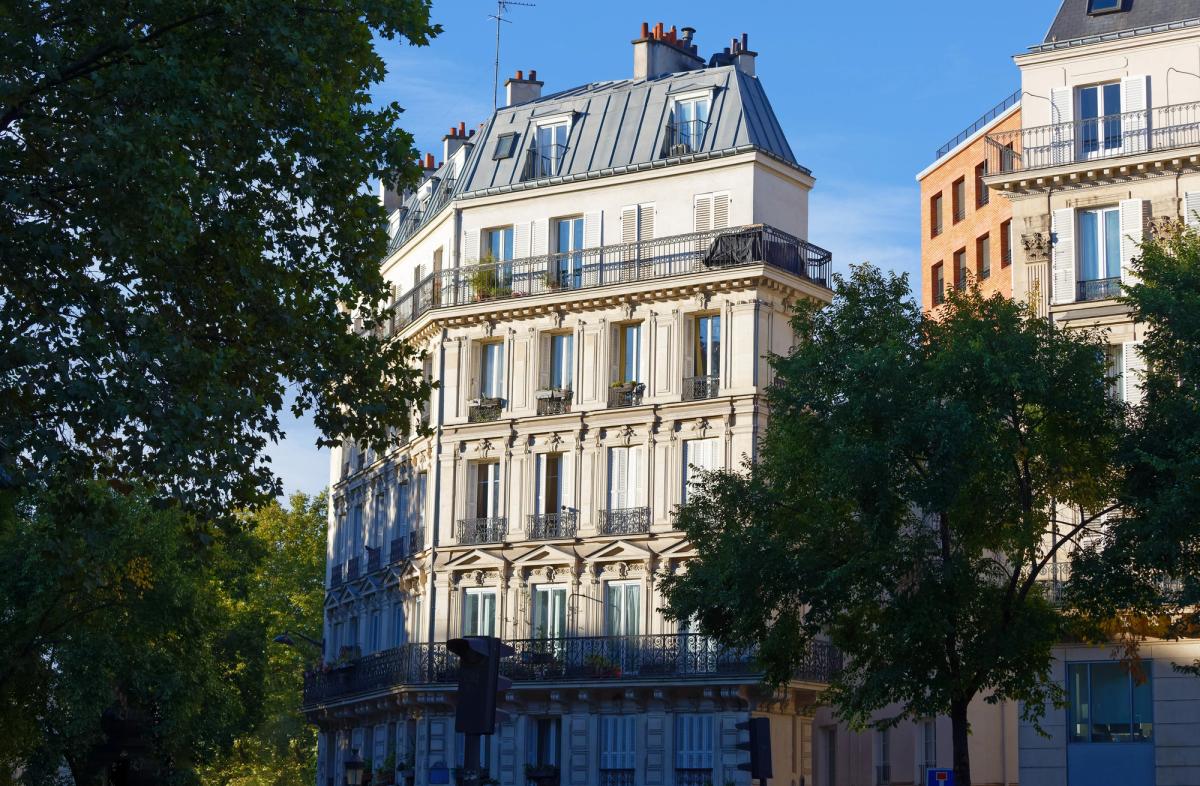
The maths, not the taste, is what kills most pre-sale renovations in Paris. French portals and agents converge on the same verdict: in roughly nine cases out of ten, sellers who commission major works before listing do not recover the full amount at closing.
The cost-versus-value rule
A euro spent on works is not a euro added to value. US industry estimates put the resale return of a full kitchen or bathroom remodel at only 50 to 70 percent of its cost, and French market guidance points the same way. The gap exists because you pay retail price for the works, while the buyer values them through their own taste (and often plans to redo everything anyway).
There is a second cost that sellers forget: time. A three-month chantier delays your listing by three months, during which you keep paying charges, taxe foncière and, for a second home in Paris, the 60 percent surcharge on the residence tax (opens in a new window) that the city applies in 2026.
What the 2026 Paris market says
Paris apartment prices averaged 9,560 euros per square metre in the second quarter of 2026, up just 0.6 percent over a year, with sales volumes recovering strongly, according to the Notaires du Grand Paris quarterly data (opens in a new window). In a flat market, overpricing a renovated apartment is how listings go stale.
Location changes the calculation more than the works themselves. The same 20,000 euro budget represents about 1.4 square metres of value in the 6th arrondissement, where prices reached 13,980 euros per square metre in mid-2026, but around 2.6 square metres in the 19th at 7,690 euros. The cheaper the arrondissement, the harder it is for any renovation to pay for itself.
What buyers actually do after closing
Ask any agent what happened to the repainted walls and the new carpet six months after a sale. In a large share of transactions, the new owners strip them out. Sellers regularly report spending thousands on finishes the buyers replaced within the first year.
Paris has a deep pool of buyers actively searching for apartments to renovate, from investors to families hunting Haussmann bones under tired decor, the same profiles who look at apartments and off-market properties for sale in Paris (opens in a new window) precisely because they want to do the work themselves. Renovating just before selling to this audience means paying for something your buyer did not want.
Selling As-Is in France: What the Law Still Requires
Selling as-is is legal in France. Hiding what you know about the property is not. This distinction is the single most important thing separating a Paris sale from the American advice that dominates search results on this topic.
The diagnostics file (DDT)
Every French sale requires a dossier de diagnostic technique, the technical diagnostics file the seller commissions and pays for. For a typical Paris apartment it includes the DPE energy rating, lead (for buildings built before 1949, which covers most of Paris), asbestos (building permits before July 1997), electricity and gas checks for installations over 15 years old, and the state-of-risks report. The full list and validity periods are set out on service-public.fr (opens in a new window).
The DDT is not a repair order. It is an information document. But it defines what the buyer knows, and therefore what they can negotiate on.
Loi Carrez and the 5 percent rule
For any copropriété lot, the private floor area under loi Carrez must appear in the sale documents. If the real area turns out more than 5 percent smaller than stated, the buyer can claim a proportional price reduction for up to a year after the deed. Re-measuring before listing costs little; discovering an error after closing does not.
Selling en l'état and hidden defects
French law lets a private, good-faith seller include a clause selling the property as-is, without recourse, which excludes the warranty against hidden defects under article 1641 of the Code civil (opens in a new window). That protection has a hard limit: the clause fails if the buyer proves you knew about the defect and concealed it. French courts applied exactly that logic in a June 2025 Cour de cassation ruling against a seller who had personally carried out the defective works. Buyers have two years from discovering a defect to act.
The practical rule is simple. Not renovating is a strategy; not disclosing is a liability.
Works already voted by the copropriété
If the general assembly has voted works before your compromis is signed, the cost usually stays with you as seller unless the parties agree otherwise. Buyers will read the last three years of AG minutes. Disclose voted works early and build them into your price rather than letting them surface as a surprise in negotiation.
When DPE Improvements Are Actually Worth It

Improve the DPE only when the measured cost of gaining a class is clearly below its measured price impact. In Paris, that is true less often than the headlines suggest, and the 2026 rule change means some owners should spend nothing at all.
What a poor DPE really costs at sale
The valeur verte studies by the French notaires quantify the discount. On 2024 transactions, apartments rated G sold on average 12 percent below comparable class D properties, and houses rated G sold around 25 percent below, according to Notaires de France (opens in a new window). Energy classes E, F and G together made up about 40 percent of French sales that year, so this is a mainstream situation, not an edge case.
Put that in Paris euros. On a 50 square metre apartment at the city average of 9,560 euros per square metre (2026), a G-versus-D gap of 12 percent is worth roughly 57,000 euros. Whether works pay back depends on whether you can climb classes for meaningfully less than the discount you erase, which is a quote-by-quote question, not a rule.
Rental bans change who bids
Class G homes have been banned from new rentals since January 2025 (opens in a new window), class F follows in 2028 and class E in 2034 under the loi Climat et Résilience. Selling remains fully legal at every class. What changes is your buyer pool: investors step back from F and G apartments, leaving owner-occupiers who negotiate the discount instead.
For single-ownership houses, note one seller obligation: sales of properties rated E or worse have required an audit énergétique since January 2025. Most Paris copropriété apartments are not subject to that individual audit, a distinction many general guides miss.
Check the 2026 recalculation before you spend
Since 1 January 2026, the DPE applies a lower conversion factor for electricity, 1.9 instead of 2.3 (opens in a new window). Electrically heated apartments, which are everywhere in Paris, can gain a class through a simple re-edition of the DPE rather than through works. Also check the date on your current certificate: DPEs issued between 2018 and June 2021 expired in January 2025. Reprice your rating under the new rules first. Spending 15,000 euros to reach a class the calculator now gives you for free is the most avoidable mistake of 2026.
How to Decide Before Spending: 6 Steps
The decision method matters more than any list, because your apartment is not the average. Work through these six steps in order:
- Get the property valued as it stands today, before committing to any works.
- Identify what would actually block the sale: a safety issue, a price anchored too high, or nothing at all.
- Collect firm quotes for the one or two works that plausibly pass the payback test.
- Get a second valuation scenario assuming those works are done.
- Add the hidden line items: months of delay, holding taxes, chantier risk, your time.
- Compare the two scenarios honestly, including a straight as-is sale at an adjusted price.
Most Paris sellers who run this exercise end up doing less than they planned. That is the point. A price adjustment negotiated once usually costs less than a renovation paid at retail, delivered late, and valued by someone else's taste.
If your figures put you in the rare case where works do pay, do them properly and keep every invoice. Documented works protect you on disclosure and can matter for capital gains tax later.
Selling From Abroad: Why the Calculation Changes
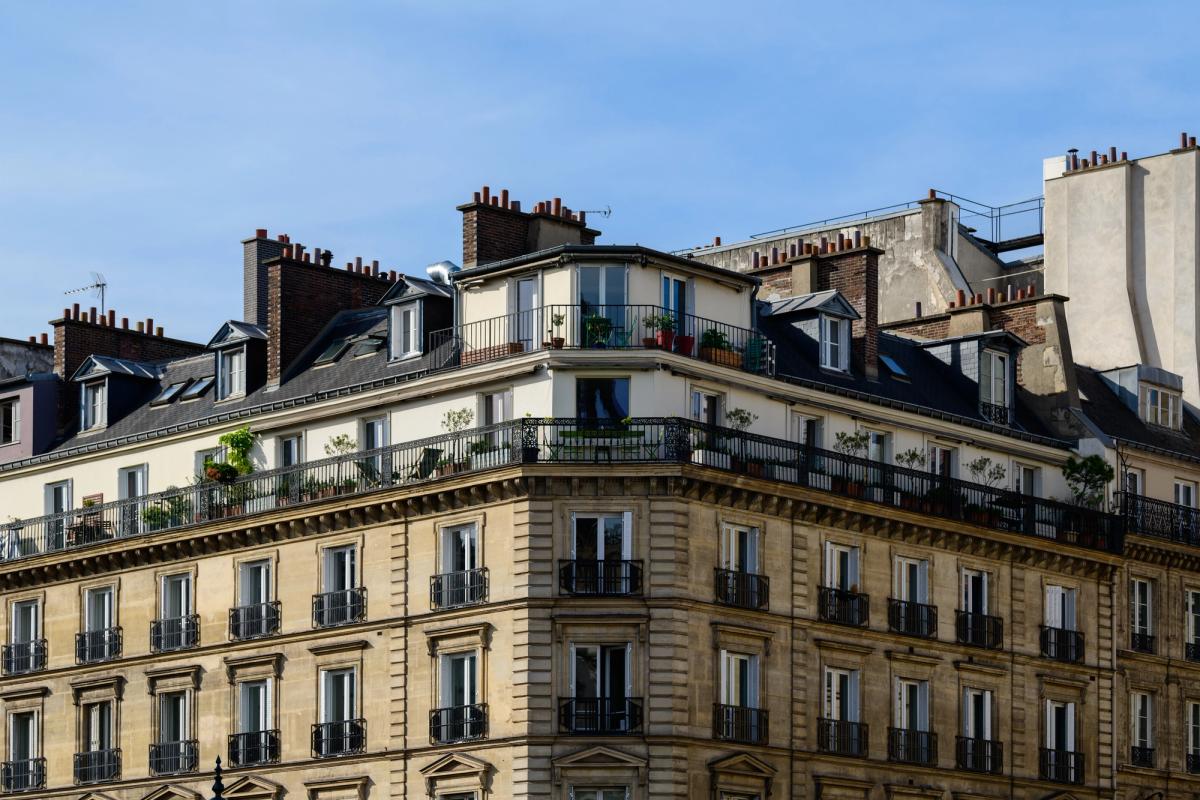
For a non-resident owner, skipping the renovation is usually not just cheaper. It is simpler for tax, and far simpler to manage. If you are selling a Paris apartment from London, New York or Singapore ahead of a move, this section changes the maths from the previous ones.
Taxes that quietly reward selling as-is
Non-residents selling French property pay capital gains tax at 19 percent plus social levies, reduced to a 7.5 percent solidarity levy for sellers covered by an EU, EEA or UK social security scheme, with full details on impots.gouv.fr (opens in a new window). Taper relief erodes the taxable gain over time, and an additional surtax of 2 to 6 percent applies to gains above 50,000 euros.
Here is the detail that matters for the fix-or-not decision: once you have owned the property for more than five years, French rules let you deduct a flat 15 percent of the purchase price for works, no invoices required. Renovating just before the sale rarely improves that position. Non-EU sellers should also budget for an accredited tax representative, required above a 150,000 euro sale price in most cases.
Managing works from another country rarely ends well
Quotes drift, chantiers slip, and every decision crosses a time zone. Meanwhile the holding costs continue: taxe foncière, copropriété charges and, for a Paris second home, the 60 percent residence-tax surcharge (2026). Weeks of delay are a real cost line, not an inconvenience.
Remote selling itself is well solved. A power of attorney signed before a notaire lets the entire sale complete without you flying in, and owners planning a wider move can also get relocation support alongside the sale through the agency's advisory team (opens in a new window) rather than coordinating it separately.
One adjacent case is worth naming. If your apartment is rated D or better and you are not ready to sell, letting it out remains an option; specialist rental management for owners abroad (opens in a new window) exists through the sister agency Relocation in Paris. For F and G owners, the rental route is closing, which is precisely why many are selling now.
How an As-Is Valuation Helps You Decide
Every fix-or-skip question in this guide reduces to one comparison, and a valuation is the only way to run it with real numbers. The formula is short:
- Scenario A: what the property sells for today, as it stands.
- Scenario B: the post-work sale price, minus the renovation quotes, minus the holding costs while the chantier runs, minus the risk of delay.
If B does not clearly beat A, the works are not an investment. They are a gift to your buyer.
Why the as-is number has to come first
Most sellers run this comparison backwards. They collect renovation quotes first, then wonder what the works might add. Starting from the as-is value flips the logic: it anchors the decision in what the market already pays for your street, your floor, your DPE class, before a single euro is committed. It also sets your fallback position, because a realistic as-is price is exactly what an en l'état sale needs to close without drawn-out negotiation.
The inputs matter as much as the formula. A useful valuation works from arrondissement-level notaires data, not national averages, and prices your specific defects the way buyers will: as line items, not vague doubts.
Where professional valuation fits
You can approximate Scenario A from public price maps, and for a first pass you should. For the decision itself, most sellers want both scenarios priced by someone who sees comparable sales weekly. Estate in Paris provides this as a free valuation of your Paris apartment (opens in a new window), covering the as-is figure and the after-works scenario side by side, with a reply within 24 hours. If the numbers point to selling, the same team handles selling your property in Paris with a dedicated advisor (opens in a new window), including to buyers specifically looking for apartments with work left to do. Practical questions about mandates and timelines are answered in the frequently asked questions on buying, selling and valuation (opens in a new window).
FAQ
Yes. Selling en l'état, in its current condition, is legal and common in France. You must still provide the full diagnostics file and disclose known problems, and a good-faith private seller can normally include a clause excluding the hidden-defects warranty.
Conclusion
The money you keep on a Paris sale is mostly money you decline to spend. The market data, the notaires' valeur verte studies and the experience of sellers point the same way: repair for safety and water, refresh for presentation, disclose everything, and let the price carry the rest. Renovating for a stranger's taste, in a flat market, is how sellers fund their buyer's discount.
What you now have is a method rather than a list. Check your DPE under the 2026 rules, re-read your diagnostics, and get an as-is valuation before signing any quote. If the two-scenario numbers say the works pay, do them with invoices in hand. If they do not, and in Paris they often do not, your apartment is closer to market-ready than you think.