


How to Sell Property by Owner in France?
Selling your Paris apartment without an agency? See the legal steps, 2026 costs and non-resident taxes, and what you can safely handle yourself.

- Published on
- Reading time
- 15 min read
Introduction
On a Paris apartment worth 575,000 euros, an agency commission runs somewhere between 23,000 and 29,000 euros. Owners look at that number, remember that they know their own apartment better than anyone, and start typing "how to sell property by owner" into Google. In the United States this is called FSBO, for sale by owner. In France it is a vente entre particuliers, and about one transaction in three closes this way.
Here is the part most guides skip. You can sell without an estate agent in France, but you cannot skip the French property-sale process. There is no MLS, the survey file is your legal responsibility, and a notaire must complete the deed whether an agency is involved or not. If you live outside France, a second layer of tax rules and paperwork applies before you even list.
This guide explains what a by-owner sale involves in Paris in 2026: the legal ground rules, the honest pros and cons, the eight steps from pricing to handover, the timeline you should expect, and what changes when you sell from abroad.
Can You Sell Property by Owner in France?
Yes. No law requires an estate agent for a French property sale, and the Notaires de France put private transactions at roughly a third of the market. The only professional you cannot replace is the notaire.
Is it legal to sell without an estate agent?
Selling directly is fully legal for any owner, French or foreign. An agency becomes involved only when you sign a mandat, the written sales mandate required by the loi Hoguet before any agent can market your property. No mandat, no agent, no commission. Nothing else in the process changes.
What you give up is not permission but infrastructure. France has no MLS, so there is no single database your listing must enter through a licensed professional. Marketing, filtering and negotiation simply move onto your desk.
What does selling by owner mean in France?
A vente entre particuliers means the owner handles valuation, the listing, viewings and negotiation, then brings the agreed sale to a notaire. American readers should set aside the US FSBO playbook: there is no title company to hire, no buyer's-agent commission convention, and no state disclosure forms. British readers will find the survey logic reversed, since in France the seller, not the buyer, pays for the technical surveys.
The buyer also gets statutory protection regardless of how you sell. After signing the preliminary contract, a private buyer has a ten-day cooling-off period under the loi SRU (2000) and can withdraw without penalty.
What does the notaire still handle?
The notaire is a neutral public officer, not your negotiator, and every French sale runs through one. They draft or verify the preliminary contract, check title and mortgages, collect taxes, execute the acte authentique and register the new owner. Their fee is part of the buyer's acquisition costs, around 8% of the price for an existing Paris property in 2026, so the legal core of your sale is already paid for within the transaction (service-public.fr (opens in a new window) explains the sale framework).
That is worth pausing on. American owners often spend 1,000 to 1,500 dollars on a real estate attorney plus title fees to make a by-owner sale safe. In France, that safety net is built in.
Selling without an agency can make perfect sense, but not in every situation. If you already know the market, have time to manage viewings and feel comfortable negotiating, the DIY route may be enough. If not, the savings can quickly be outweighed by the extra work and risk. The comparison below helps you see which side your situation falls on.
| Your situation | Selling by owner | Using an agency |
|---|---|---|
| Price can be anchored to DVF and notaire data | Works well | Not required |
| You already have a serious buyer | Almost always the right choice | Rarely needed |
| You live in or near Paris and control your schedule | Manageable | Optional comfort |
| You live abroad with no one to run viewings | Very difficult | Strong case |
| You need discretion, no ads, no sign | Not possible alone | Off-market sale |
| Hard-to-value property: atypical, low DPE, top of market | High mispricing risk | Strong case |
| You face a deadline: next purchase, tax date, divorce | Stressful and uncertain | Strong case |
| You are comfortable negotiating in French | Helpful | Language handled for you |
Selling by Owner in France: Pros and Cons
The savings are real and so is the workload. Owners who have done it describe the same trade repeatedly: money kept, time and nerves spent.

The pros
Selling by owner puts real money and real control back in your hands. Four gains come up again and again:
- You keep the commission. Paris agencies typically charge 3-7% of the sale price. On a 60 m² apartment at the notaires' recorded average of 9,580 euros/m² (February 2026), that is roughly 23,000 to 29,000 euros staying with you.
- Your listing price gets sharper. Buyers compare total prices, not fee structures. With no commission built in, you can list below comparable agency listings and still receive the same net amount.
- The saving scales with the property. On high-value Paris apartments the absolute amount grows with the price, which is exactly why owners of larger properties take this route seriously.
- You control the sale. You set the schedule, answer questions no agent could answer, and choose the buyer yourself.
And one situation beats them all: if you already have a buyer, a colleague, a neighbour, your own tenant, a private sale is close to unbeatable. You go straight to the notaire, and the legal work is already covered by the buyer's acquisition costs.
The cons
Expect the buyer to claim part of your saving. Buyers in a private sale know there is no commission and many negotiate harder because of it, so the theoretical 3-7% rarely lands in your pocket whole.
Mispricing is the expensive failure. A flat listed 10% above market in Paris typically sits a month longer and often sells below what a correctly priced listing would have achieved. Sellers who priced on instinct and later handed the sale to a professional frequently discovered the gap was worth far more than any commission, a pattern that shows up in the wider costs and taxes of selling property in France (opens in a new window).
Then there is the human side, which experienced by-owner sellers mention more than the paperwork:
- Viewings happen when buyers are free, which usually means evenings, weekends and awkward hours.
- Visitors will criticise your decor, your bathroom and your street to your face, and you have no agent as a buffer.
- Emotional attachment makes negotiation harder; buyers walk away from tense sellers more often than from high prices.
- A deal can collapse late if you never checked the buyer's financing, and you lose the weeks the flat was off the market.
One honest caveat to close on: even sellers who succeed often admit they will never know what price a good agent might have achieved. The saving is measurable, the opportunity cost is not.
If selling privately still looks right for your situation, the process itself breaks into three stages: preparing the price and the file, finding and negotiating with a buyer, and completing the sale with the notaire.
Price the Property and Prepare Your File
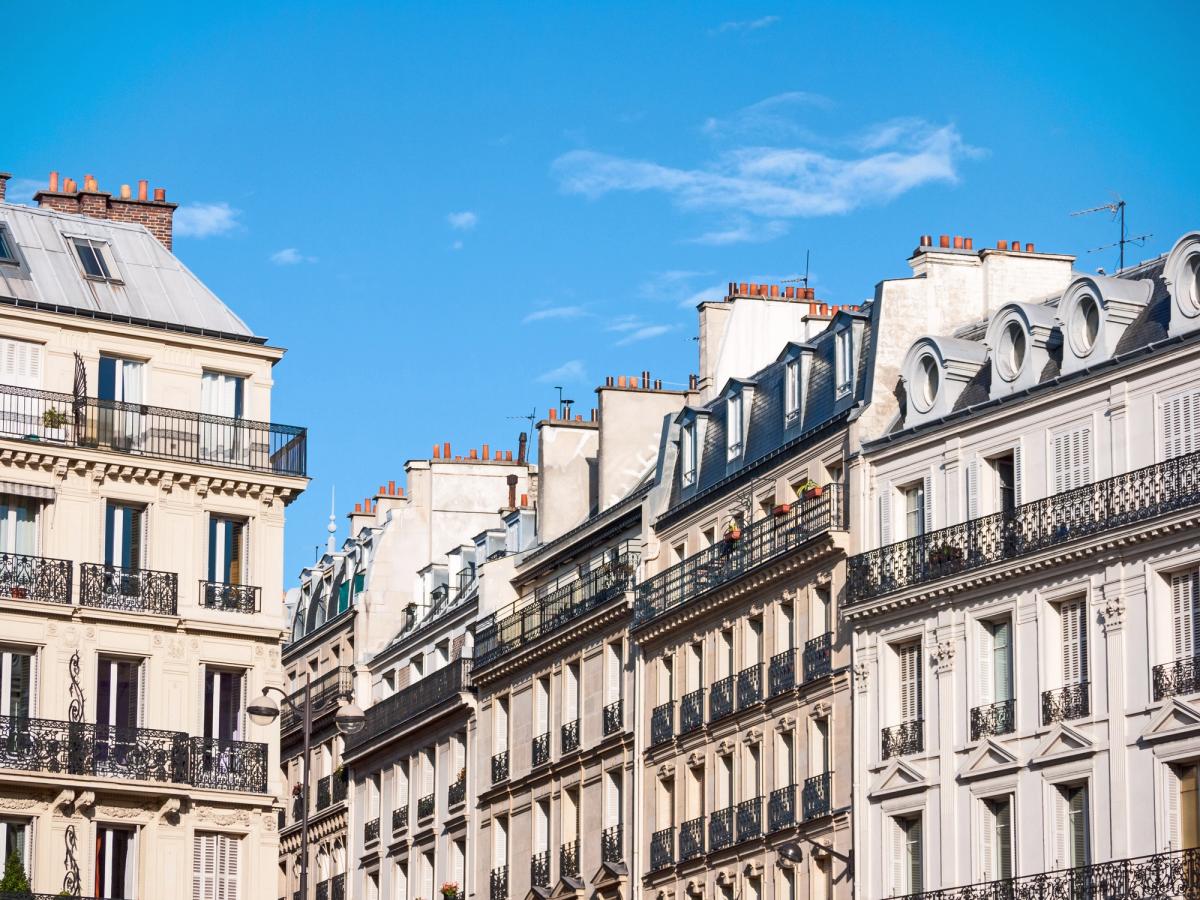
Everything that decides your outcome happens before the listing goes live. The price, the survey file and the apartment's presentation are the three levers, and all three are fully in your control.
Step 1: Set the price from real sale records
Start with recorded sales, not asking prices. The government's DVF database at app.dvf.etalab.gouv.fr (opens in a new window) lists actual transaction prices for your street, and the notaires' price map (opens in a new window) gives current figures by arrondissement, updated monthly. As of February 2026, older Paris apartments average 9,580 euros/m², up 0.9% in a year, with the notaires projecting around 9,630 euros/m² by mid-2026.
Then adjust for what the averages hide: floor and lift, light and outlook, condition, and the DPE energy rating, which now moves prices meaningfully. Working through how to estimate the value of your French property (opens in a new window) before touching the listing is the single best hour you will invest.
Your price also has to survive the buyer's bank. If their lender values the flat below the agreed price, the loan clause in the preliminary contract can undo the sale months in. A defensible, data-backed price protects you twice.
Step 2: Order the diagnostics and gather documents
French law makes the seller responsible for the dossier de diagnostic technique (DDT). For a Paris apartment, this typically includes:
- DPE energy certificate
- Asbestos report for buildings constructed before 1997
- Lead report for buildings dating from before 1949
- Electricity and gas inspections where the installations are more than 15 years old
- ERP risk statement
- Loi Carrez surface measurement
A certified diagnostician handles the set for roughly 300-600 euros (2026); the full list is on service-public.fr (opens in a new window).
For a co-owned apartment, you will also need documents from the copropriété, including:
- the règlement de copropriété
- the building maintenance log
- the minutes of the last three general meetings
- the pré-état daté from the syndic before the preliminary contract
Paris buyers, and their notaires, will expect this file to be complete.
One 2026 rule deserves special attention. Since January 1, 2025, selling a property rated E requires an audit énergétique on top of the DPE, an obligation created by the loi Climat et Résilience (law no. 2021-1104, on legifrance.gouv.fr (opens in a new window)). G-rated homes have been barred from the rental market since 2025, F follows in 2028 and E in 2034, so investors discount low ratings accordingly.
Step 3: Prepare the apartment and decide what stays
Buyers of higher-end Paris apartments usually plan to redecorate, so major works rarely pay back. Decluttering, small repairs and professional-quality photos do.
Decide now what the sale includes: the fitted kitchen, light fixtures, curtains, wardrobes. Vagueness here causes late arguments, and anything of value you leave can be itemised in the contract as furniture, which is priced separately. Gather your recent charge statements, taxe foncière notice and utility bills, plus dates of any renovation. Serious buyers ask for exactly these, and the pré-état daté requires most of them anyway.
List the Property, Manage Viewings and Negotiate
A compliant listing, screened buyers and written offers separate a smooth private sale from a stalled one. This stage is where by-owner sellers spend the most time and make the most avoidable mistakes.

Step 4: Write and publish a listing buyers trust
French listings carry legal mentions: the loi Carrez surface, annual charges, the number of lots in the co-ownership and the DPE class. Missing them signals an amateur seller and attracts bargain hunters. Add a precise description, honest photos of every room and, if you can, a floor plan.
For distribution, private sellers use owner-to-owner platforms and the general portals, several of which now accept private listings. Photograph in daylight, lead with your best room, and state the price without "or best offer" language, which reads as weakness in the French market.
Step 5: Screen every buyer before a viewing
Ask every prospective visitor for proof of financing before you open the door: an attestation de financement from their bank or broker, or proof of funds for cash buyers. Serious buyers provide it without friction. This one habit filters out the browsers, protects the weeks your flat is on the market, and prevents the classic failure where a sale collapses after a month because the buyer never had the budget.
Group viewings on weekends where you can, keep valuables out of sight, and note who visits with a name and phone number. Expect blunt comments about your home and treat them as noise, not insult (easier said than done when you have lived there for years).
Step 6: Handle offers and negotiation in writing
Only written offers count. A French offre d'achat states the price and a validity period, and a verbal number commits nobody. Know your walk-away price before the first viewing, justify your position with the DVF comparables you gathered in Step 1, and never reveal a personal deadline.
Negotiation margins in France typically run 4-7% (2026), wider on flats that have sat unsold. Keep your tone even when offers come in low. Buyers in private sales report walking away from angry sellers more often than from ambitious prices, and you cannot renegotiate with someone who has left.
Complete the Sale With the Notaire

Once you accept an offer, the notaire takes over the legal file and your job becomes supplying documents on time. This is the stage where the French system quietly works in your favour.
Step 7: Sign the preliminary contract
Paris practice favours the promesse de vente, which commits the seller for a set period while the buyer pays a deposit of around 10%, held in escrow by the notaire. The compromis de vente, binding both parties at signature, is the common alternative. Either way the buyer's ten-day cooling-off period applies, followed by the conditions suspensives, most importantly the buyer's mortgage approval.
You do not need to draft anything yourself, and you should not. The notaire prepares the contract from your documents, which is precisely the work by-owner sellers in other countries pay lawyers to do.
Step 8: Complete the deed and hand over the keys
Between the preliminary contract and the acte authentique, allow around three to four months for the notaire’s checks and the buyer’s financing. The buyer pays the acquisition costs at completion, close to 8% of the price for older Paris properties in 2026 after Paris raised its transfer duty to 5% in 2025, according to the Chambre des Notaires de Paris (opens in a new window).
If your own mortgage is still running, the notaire repays the bank from the sale proceeds and arranges the mainlevée, the release of the lender's charge. The mechanics, including early-repayment fees, are covered in our guide to selling a house with a mortgage in France (opens in a new window). On completion day you sign, hand over the keys and meter readings, and receive the funds.
How Long a Private Sale Takes in the 2026 Paris Market
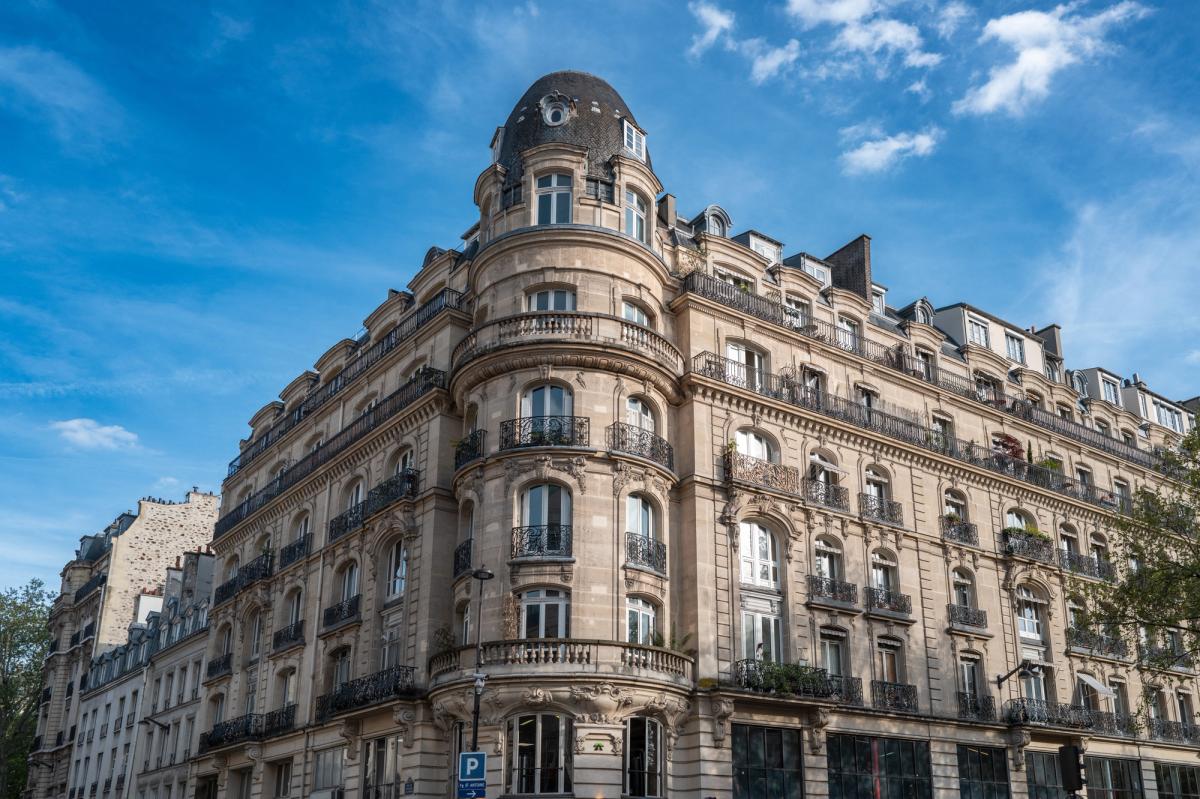
Plan for five to seven months end to end: 60-90 days to secure a buyer at a correct price, then three to four months of legal completion. The 2026 market neither punishes nor rescues private sellers, but three of its features directly affect your odds.
The realistic timeline from listing to keys
Recovery is real but selective. Île-de-France sales volumes rose about 15% year on year by early 2026 (Notaires du Grand Paris), and mortgage rates below 3% for strong borrowers have brought buyers back. A well-priced, well-documented Paris flat finds its buyer in two to three months. An overpriced one can sit for six, and every extra month costs you charges, taxe foncière and negotiating position.
Two things stretch the timeline beyond your control: your buyer's financing, and the completeness of your own file. Missing co-ownership documents are the most common self-inflicted delay in private sales.
Market conditions that affect sellers this year
Prices have stopped falling but are not climbing: 9,580 euros/m² on average, up just 0.9% in a year. Pricing for the 2021 market is the fastest way to fail in 2026.
Buyers now negotiate with the same public data you price with, since anyone can open DVF. Energy ratings bite harder each year as the rental bans approach. And a growing share of Paris demand is international, which favors sellers who can present documents and host viewings in English, or work with someone who does.
None of these frictions is fatal to a by-owner sale. They simply raise the bar, and they raise it highest for one group in particular: owners who are not in Paris at all.
Selling Your Paris Property While Living Abroad
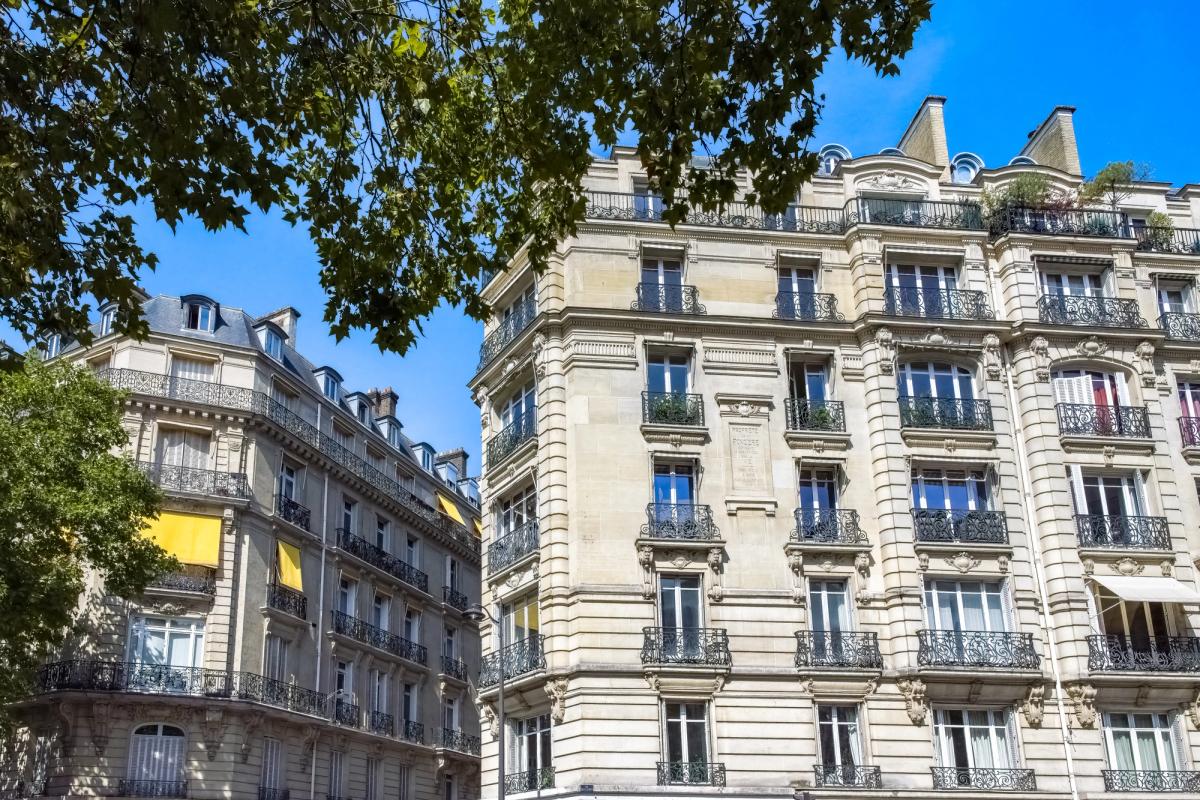
You can complete an entire French sale without setting foot in France. The legal tools exist and work well; the practical and tax layers are where remote sellers need a plan.
Power of attorney and signing remotely
Both the preliminary contract and the final deed can be signed through a procuration, a power of attorney drawn up before a notaire or at a French consulate. Your notaire drafts the text, you sign it where you live, and a clerk or trusted person signs in Paris on your behalf. Time zones matter less than document turnaround, so respond to the notaire's requests quickly and the calendar barely differs from a local sale.
Taxes for non-resident sellers
Non-residents pay French capital gains tax at 19% plus social levies of 17.2%, reduced to a 7.5% solidarity levy if you are covered by a social security system in the EEA, Switzerland or the UK. Taper relief erases the income tax portion after 22 years of ownership and the social levies after 30. A former main residence can be exempt if sold by December 31 of the year after you left France, and certain EU nationals benefit from a 150,000 euro exemption. The official rules are on impots.gouv.fr (opens in a new window).
One obligation surprises almost everyone: sellers living outside the EEA must appoint an accredited représentant fiscal when the price exceeds 150,000 euros, unless they have owned the property for more than 30 years. Budget for the representative's fee and appoint them early, because the notaire cannot complete without one.
The practical gap: who opens the door?
Paperwork travels well. Keys do not. Someone in Paris must let in the diagnostician, host every viewing, answer the syndic's questions and read the meters at handover. If you are selling by owner from London or New York, that someone is a friend, a paid keyholder, or nobody, and "nobody" is where remote private sales quietly die. Be honest with yourself about this gap before you list, because it is the one stage no amount of preparation from abroad can cover.
Selling remotely is only one part of the picture for non-resident owners. Tax treatment can also differ depending on where you live, how long you have owned the property and the value of the sale. This short video explains the main French capital gains tax rules and when a fiscal representative may be required.
How Estate in Paris Helps When You Want Support
Estate in Paris sells apartments, private mansions and unusual properties in Paris, and its selling service exists precisely for the situations the comparison table flagged. Here is what the service actually covers, so you can judge the value against doing it yourself.
What the selling service includes
The engagement runs from valuation to the notaire's door. It starts with a free valuation built from recorded transactions in your neighbourhood and current buyer demand, confidential, with no obligation, answered within 24 hours. From there, the team manages the sale from valuation to signing (opens in a new window): organising the diagnostics, preparing a bilingual presentation file with professional photography and floor plans, and qualifying every buyer on project, timeline and financing before any viewing, with a report to you after each visit.
Owners who need discretion can sell off-market, presented only to vetted buyers with no advertising and no sign. Owners abroad are covered through the procuration route described above, with the team coordinating surveys, viewings and the notaire while you stay put. Fees are a percentage of the sale price, set out in the mandate before any listing; how the mandate and fees work (opens in a new window) is answered plainly in the agency's FAQ.
When Using an Agency Is Worth Considering
Support earns its fee in four situations: you live abroad with no one to run viewings; the property needs a discreet sale; the price is genuinely hard to set, an atypical layout, a low DPE, the top of the market; or you face a hard deadline. In those cases the risks a by-owner sale carries, mispricing, unvetted buyers, months of drift, cost more than any commission.
If none of those situations applies, selling by owner may still be a realistic option. A reliable valuation is the best place to start, whether you continue alone or later decide to delegate. And if you do choose professional support, this guide to choosing a Paris estate agent (opens in a new window) explains what to check before signing a mandate.
FAQ
Yes. About one French sale in three is a private transaction between individuals. The only mandatory professional is the notaire, who completes the deed and registers the sale whether or not an agency is involved.
Conclusion
A by-owner sale in Paris rewards three things: a price anchored to recorded transactions, a document file complete before the first advert, and the discipline to check every buyer's financing before opening your door. If you have those, the French system, notaire included, is built to carry a private seller safely to completion. If you are abroad, add the procuration and the non-resident tax rules to your checklist before deciding. Whichever route you take, start with a number you can defend: a free, data-backed valuation costs nothing, commits you to nothing, and turns every later conversation, with a buyer or with an agency, into one you control.