


Best Neighborhoods to Stay in Paris: 2027 Guide for Foreigners
Discover the best neighborhoods to stay in Paris, with local tips on lifestyle, transport, renting, and buying before you relocate.

- Published on
- Reading time
- 6 min read
Introduction
Finding the best neighborhoods to stay in Paris involves more than choosing among the city's 20 arrondissements. The same arrondissement can include busy tourist streets and quiet residential pockets, while the right location depends heavily on how long you plan to stay.
For a short trip, walkability and access to major attractions may come first. For a longer stay, transport, local amenities, noise and daily routines become more important. Future residents and buyers may also need to consider schools, apartment size, building quality and budget.
This guide compares Paris neighborhoods for short visits and longer stays, with additional guidance for international buyers considering a home, second residence or rental property.
11 Best Neighborhoods to Stay in Paris
The best neighborhoods to stay in Paris vary depending on whether you are visiting for a few days, spending several months in the city or considering a future move. The 11 areas below offer different combinations of centrality, transport, lifestyle and residential character.
Each neighborhood is assessed on the same practical criteria so you can compare them more easily.
1. Le Marais
Best for: First-time visitors, couples and central city lifeArea: 3rd and 4th arrondissements
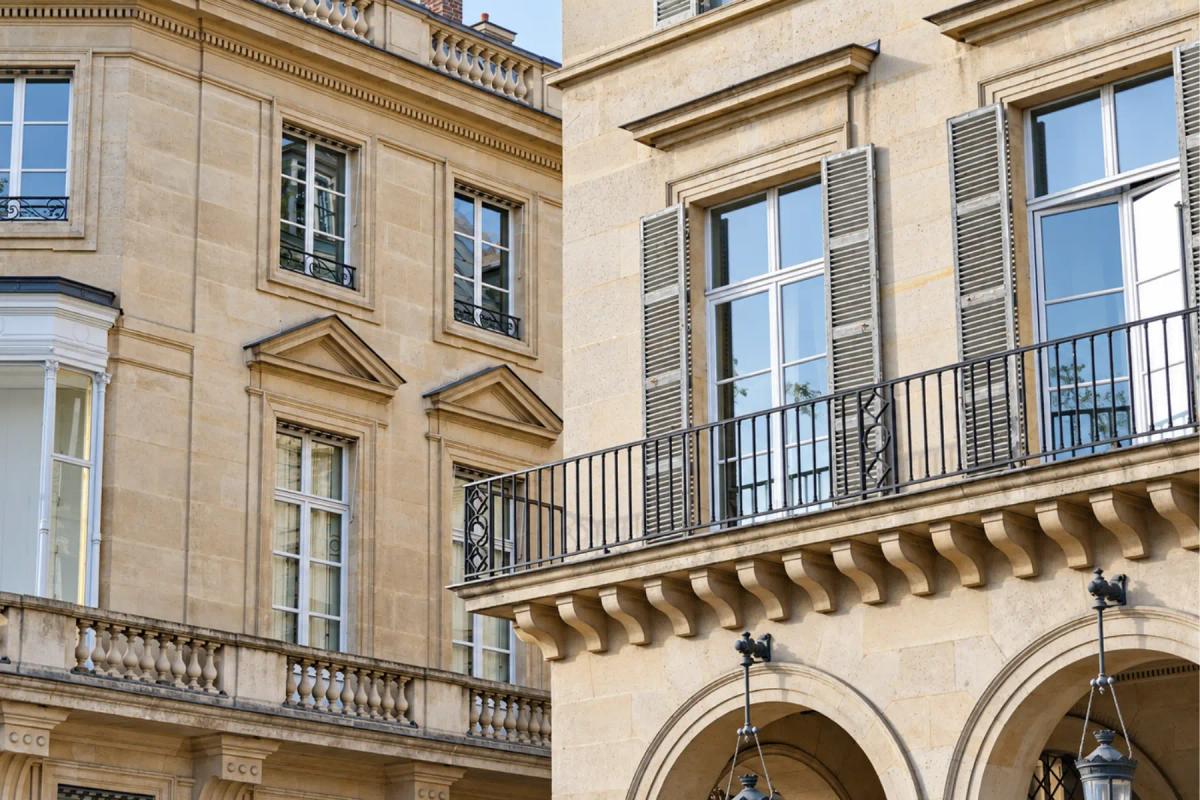
Le Marais combines a highly central location with some of Paris's most recognizable historic streets. Galleries, museums, cafés, independent shops and restaurants are concentrated throughout the area, while the Seine and Place des Vosges are within easy walking distance.
What to know:
- Why stay here: Excellent walkability, dining, shopping and cultural attractions make it particularly convenient for a first visit.
- Transport: Hôtel de Ville, Saint-Paul and République provide connections to several parts of Paris.
- Main trade-off: Popular streets can be crowded, particularly during the day and at weekends. Accommodation in older buildings can also be compact.
For a longer stay: Look beyond the busiest streets around major attractions. Parts of the northern Marais can feel more residential while retaining the shops and cultural life that make the neighborhood appealing. Noise, natural light and building layout can also vary considerably within a few blocks.
2. Saint-Germain-des-Prés
Best for: Classic Paris, culture and refined city livingArea: 6th arrondissement
Saint-Germain-des-Prés offers the classic Left Bank experience, with historic cafés, galleries, bookshops and elegant streets close to the Seine and Luxembourg Gardens.
Its central position makes it particularly convenient for visitors who want to explore Paris largely on foot.
What to know:
- Why stay here: The neighborhood combines culture, architecture, restaurants and easy access to many central attractions.
- Transport: Metro lines 4 and 10 serve the heart of Saint-Germain, with additional connections nearby.
- Main trade-off: Accommodation and property generally sit at the premium end of the Paris market, while apartments can be relatively compact.
For a longer stay: Saint-Germain can help future buyers determine how much they value centrality. Some may find the location worth the premium, while others may prefer more living space or a quieter residential environment elsewhere.
3. Latin Quarter
Best for: History, culture and walkabilityArea: Mainly the 5th arrondissement
The Latin Quarter has a livelier and more academic character than neighboring Saint-Germain. The Sorbonne and other educational institutions give the area a strong student presence, while the Panthéon, Musée de Cluny, Jardin des Plantes and Luxembourg Gardens provide easy access to culture and green space.
What to know:
- Why stay here: Historic streets, major cultural sites and excellent walkability make it a strong choice for visitors who want to explore central Paris on foot.
- Transport: Metro and RER connections provide access across the city, with the RER B particularly useful for north-south journeys.
- Main trade-off: Streets around Saint-Michel and major attractions can experience heavy visitor traffic.
For a longer stay: Consider areas around Place Monge, Rue Mouffetard and quieter parts of the 5th. These streets retain the character of the Latin Quarter while offering more bakeries, food shops and everyday services used by residents.
4. The 7th Arrondissement
Best for: Families, landmarks and quieter central staysKey areas: Invalides, École Militaire and Gros-Caillou
The 7th arrondissement offers more than proximity to the Eiffel Tower. Residential pockets around Invalides, École Militaire and Gros-Caillou combine a prestigious central location with relatively quiet streets.
The Seine, Champ de Mars and several major museums remain close, making the area suitable for visitors who want central Paris without constant nightlife.
What to know:
- Why stay here: It combines landmark access with a calmer residential atmosphere than many other central districts.
- Transport: Several Metro and RER connections serve the arrondissement, depending on the exact location.
- Main trade-off: Nightlife is limited compared with the 9th, 10th or 11th, while accommodation and property prices are generally high.
For a longer stay: Compare the exact location carefully. Living close to the Eiffel Tower can feel very different from staying on a quieter residential street around Gros-Caillou or Invalides, even within the same arrondissement.
5. Montmartre
Best for: Character, views and romantic staysKey areas: Abbesses and Lamarck-Caulaincourt
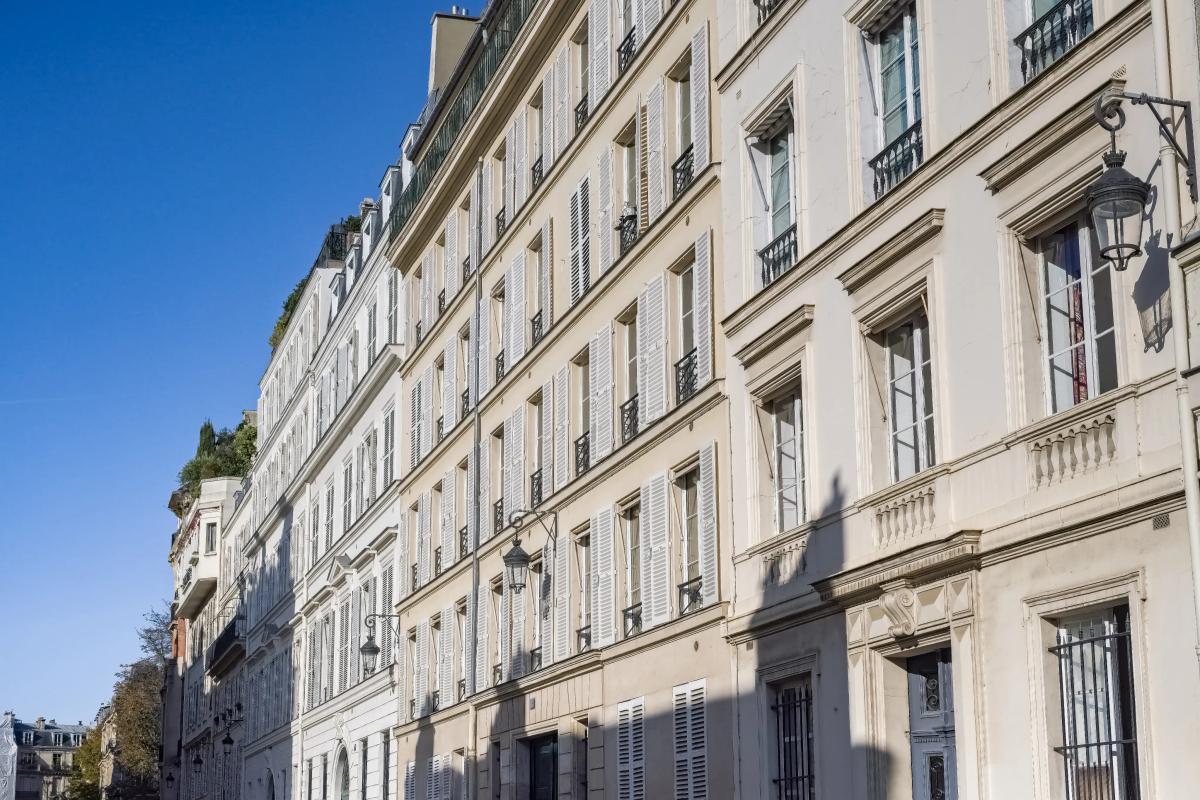
Montmartre remains one of the most distinctive parts of Paris. Sacré-Cœur, winding streets, elevated views and older buildings give the neighborhood a strong identity that differs from central Paris.
The experience, however, changes considerably depending on where you stay.
What to know:
- Why stay here: Montmartre offers atmosphere, independent restaurants, cafés and some of the city's most memorable views.
- Transport: Metro lines 2 and 12 provide useful connections to other parts of Paris.
- Main trade-off: Hills and stairs can make everyday journeys less convenient, while areas around Sacré-Cœur and Place du Tertre attract heavy tourist traffic.
For a longer stay: Abbesses and Lamarck-Caulaincourt generally provide a more residential perspective than the busiest sightseeing streets. Check the walking route between the property and Metro carefully, particularly if mobility, children or a daily commute are considerations.
6. South Pigalle and the 9th
Best for: Restaurants, nightlife and central accessKey areas: South Pigalle, Rue des Martyrs and northern 9th
South Pigalle, often called SoPi, sits between central Paris and Montmartre. It combines restaurants, bars and independent shops with relatively easy access to Opéra, the Grands Boulevards and other central districts.
Rue des Martyrs is one of the area's main lifestyle streets, with food shops, cafés and boutiques running north toward Montmartre.
What to know:
- Why stay here: Strong dining and nightlife make it appealing to professionals, couples and visitors who prefer a more contemporary Paris experience.
- Transport: The wider 9th arrondissement has several Metro connections and convenient access toward Opéra.
- Main trade-off: Streets with a high concentration of restaurants and bars can remain busy into the evening and experience early-morning deliveries.
For a longer stay: Pay attention to the apartment's position within the building. A bedroom facing an internal courtyard can provide a very different experience from one facing a busy restaurant street.
7. Canal Saint-Martin
Best for: Young professionals and a local atmosphereArea: 10th arrondissement
Canal Saint-Martin offers a more relaxed and social version of central Paris. Cafés and restaurants line the surrounding streets, while the canal itself provides an outdoor meeting place for residents.
Its proximity to République also gives the neighborhood useful connections to other parts of the city.
What to know:
- Why stay here: The area combines cafés, restaurants and social life with the practical services needed for everyday routines.
- Transport: République and surrounding Metro stations provide strong connections across Paris.
- Main trade-off: The 10th arrondissement varies considerably from street to street, so the arrondissement number alone says little about the experience.
For a longer stay: Check the exact micro-neighborhood. Canal-side streets, République, Gare de l'Est and areas closer to Gare du Nord have different levels of activity, transport patterns and residential character.
8. The 11th Arrondissement
Best for: Food, nightlife and everyday ParisKey areas: Bastille, Oberkampf and Charonne
The 11th arrondissement suits visitors who want to experience Paris as a working, residential city rather than spend every day close to major monuments.
Restaurants, bars, markets, bakeries and local businesses are integrated into the neighborhood, while strong transport connections make other parts of Paris easy to reach.
What to know:
- Why stay here: The 11th offers a strong restaurant scene, active neighborhood life and a more residential experience than many tourist districts.
- Transport: Multiple Metro lines serve the arrondissement, making it practical for commuting elsewhere in Paris.
- Main trade-off: Areas around Oberkampf and Bastille can be noisy at night, especially on streets with many bars.
For a longer stay: The 11th can provide a useful balance between central access and everyday life. It may suit professionals and international residents who want the energy of the Right Bank without paying primarily for proximity to major landmarks.
9. The 15th Arrondissement
Best for: Families, professionals and longer staysKey areas: Commerce, Convention and Grenelle
The 15th arrondissement appears less frequently in tourist guides because much of it is residential. For a longer stay, that can be an advantage.
Commerce, Convention and Grenelle provide supermarkets, markets, schools, parks, cafés and everyday services within established residential areas.
What to know:
- Why stay here: The 15th is well suited to daily routines and can appeal to families who prioritize space, services and a residential environment.
- Transport: Several Metro lines connect different parts of the arrondissement with central Paris and major employment areas.
- Main trade-off: It is less convenient for visitors who want to walk between major tourist attractions.
For a longer stay: This is where the difference between visiting Paris and living in Paris becomes particularly clear. For a stay of several months, proximity to a supermarket, school, park and direct Metro line may be more valuable than being within walking distance of the Louvre.
10. Passy and Auteuil
Best for: Families, quiet streets and residential ParisArea: 16th arrondissement
Passy, La Muette and Auteuil offer a quieter side of western Paris. These neighborhoods appeal particularly to international families and residents who value green space, residential streets and access to everyday services.
Passy has an active local shopping area, while Auteuil generally becomes more residential. The Bois de Boulogne adds extensive green space nearby.
What to know:
- Why stay here: Quiet streets, local amenities and access to green space make the area well suited to families and longer stays.
- Transport: Metro connections provide access to central Paris, although some cross-city journeys are longer than from the historic center.
- Main trade-off: Nightlife is limited compared with neighborhoods such as South Pigalle, Canal Saint-Martin and the 11th.
For a longer stay: Passy and Auteuil become more compelling when school routes, apartment size, parks and daily routines matter more than proximity to major monuments. For families relocating to Paris, these practical considerations can outweigh tourist centrality.
11. Batignolles
Best for: Families, parks and neighborhood lifeArea: 17th arrondissement
Batignolles combines an established neighborhood center with newer development around Clichy-Batignolles. Traditional streets, cafés and markets sit close to Parc Martin Luther King, giving the area a balance of local life and green space.
It receives less tourist traffic than many central neighborhoods but remains well connected.
What to know:
- Why stay here: Batignolles offers cafés, markets, parks and a strong residential character without feeling disconnected from central Paris.
- Transport: The wider area has several Metro connections, while Line 14 at Pont Cardinet provides fast access toward central Paris.
- Main trade-off: Major tourist attractions are generally farther away than from Le Marais, Saint-Germain or the Latin Quarter.
For a longer stay: Batignolles is particularly relevant to families and professionals who prioritize neighborhood life, green space and transport over sightseeing convenience. It also gives prospective residents a clearer picture of Paris as a place to live rather than simply a destination to visit.
| Neighborhood | Best for | Local vibe | Stay length | Main trade-off |
|---|---|---|---|---|
| Le Marais | First visits, couples | Historic and lively | Short to medium | Crowds and cost |
| Saint-Germain | Culture, classic Paris | Elegant and central | Any | Premium budget |
| Latin Quarter | History, walking | Lively and academic | Short to medium | Tourist traffic |
| 7th arrondissement | Families, quiet central stay | Refined and calm | Medium to long | Limited nightlife |
| Montmartre | Views, character | Village-like | Short to medium | Hills and crowds |
| South Pigalle | Dining, nightlife | Social and lively | Short to long | Street noise |
| Canal Saint-Martin | Young professionals | Creative and local | Medium to long | Street variation |
| 11th arrondissement | Food, everyday life | Energetic and local | Medium to long | Nightlife noise |
| 15th arrondissement | Families | Residential | Long | Less central |
| Passy and Auteuil | Families, quiet living | Leafy and residential | Long | Longer cross-city trips |
| Batignolles | Families, professionals | Local and relaxed | Medium to long | Farther from major sights |
How to Choose the Right Area to Stay in Paris
Choosing among the best neighborhoods to stay in Paris requires more than comparing attractions or arrondissement numbers. The right area depends on five practical factors: length of stay, transport, daily lifestyle, exact location and budget.
These criteria become more important as a stay gets longer. A central location may be ideal for a weekend, while an expat relocating to Paris may place greater value on commute times, schools, local services and housing options.
1. Consider the Length of Your Stay
The length of your stay determines which neighborhood features should take priority.
For a short stay of two to five days, central neighborhoods such as Le Marais, Saint-Germain-des-Prés and the Latin Quarter provide easy access to major sights and reduce time spent travelling across the city.
For several weeks, centrality remains useful, but everyday amenities become more important. Access to supermarkets, food shops, cafés, public transport and quieter residential streets can make a noticeable difference.
For several months, the criteria move closer to those of a resident. Commute times, workspace, local services and the convenience of daily routines may outweigh proximity to major landmarks.
A long-term relocation requires a broader assessment. Families and professionals may also need to consider schools, housing size, work location, and whether the neighborhood remains suitable as their needs change.
International newcomers who want to experience an area before committing to a permanent home can also use Relocation in Paris (opens in a new window) for short-term and long-term property searches and relocation support.
Beyond choosing the right neighborhood, understanding your likely day-to-day expenses can help you plan a realistic budget for living in Paris. The video below breaks down the cost of living in Paris, covering the key expenses to consider before relocating or settling in the city.
2. Assess Transport and Daily Commutes
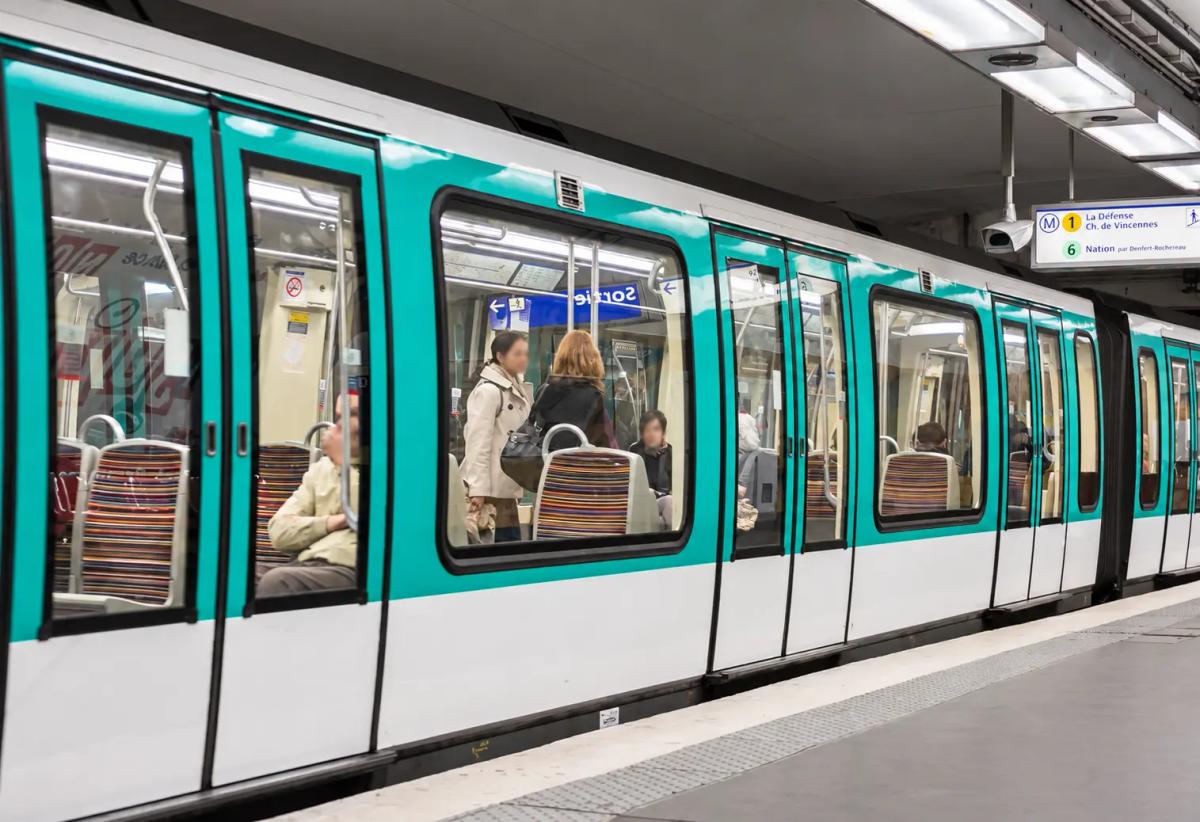
A central address does not always provide the most convenient commute. In Paris, proximity to the right Metro or RER line can be more useful than a shorter distance on the map.
This becomes particularly important for longer stays. A direct route to work, school or a business district such as La Défense can make a residential neighborhood more practical than a central location that requires several connections.
When comparing addresses, consider:
- the nearest Metro and RER stations;
- walking time to the station;
- direct connections to work or school;
- the number of transfers required;
- evening transport options;
- accessibility when travelling with children, luggage or limited mobility.
Before choosing an address, use the official RATP transport network (opens in a new window) to compare Metro and RER connections, journey options and current network information.
Transport should be assessed around the journeys you expect to make regularly, rather than around access to tourist landmarks alone.
3. Compare Visitor Convenience With Everyday Life
Neighborhood priorities change when Paris becomes a place to live rather than simply a place to visit.
Short-stay visitors often value walkability, restaurants, nightlife and proximity to attractions. Longer-term residents usually need a broader mix of supermarkets, food markets, parks, schools, pharmacies, gyms and reliable transport.
Noise also becomes more significant over time. A lively restaurant street can add atmosphere to a weekend stay but may be less suitable for someone working from home or raising a family.
The same principle applies to the general environment. Instead of relying on broad descriptions of an arrondissement as "safe" or "unsafe," consider the exact street, nearest transport stops and the routes you are likely to use regularly.
For an extended stay, visiting a shortlisted neighborhood at different times of day can provide a more accurate picture of its residential character and everyday convenience.
4. Compare the Exact Street and Micro-Neighborhood
Arrondissements are useful for understanding Paris geographically, but they are often too broad for choosing an exact location.
The 16th arrondissement, for example, includes Trocadéro, Passy and Auteuil, each with a different atmosphere. Abbesses does not represent every part of the 18th, while Canal Saint-Martin offers a different experience from streets closer to the major railway stations in the 10th.
For each address, consider:
- proximity to the nearest Metro station;
- street and courtyard exposure;
- traffic and nighttime noise;
- nearby restaurants and bars;
- supermarkets and everyday shops;
- parks and green spaces;
- hills, stairs and accessibility;
- distance from work or school.
This distinction becomes even more important when buying. Two apartments in the same neighborhood can differ considerably because of the building, floor, orientation, natural light, lift access and condition of the copropriété.
Neighborhood research should therefore narrow the search, not replace an assessment of the individual street and property.
5. Set a Realistic Accommodation or Property Budget
The budget can change which Paris neighborhood offers the best overall fit.
- For a short visit, paying more for Le Marais or Saint-Germain-des-Prés may be worthwhile because their central locations reduce travel time and place major attractions within walking distance.
- For a longer stay, the priorities often shift toward space and everyday comfort. Residential parts of the 11th, 15th, 16th or 17th arrondissements may offer a different balance of location, housing and neighborhood amenities.
The difference becomes more significant for property buyers. Existing apartments in Paris averaged €9,550 per square meter at the end of July 2026, according to Notaires du Grand Paris, with preliminary indicators pointing to around €9,600/m² for October 2026. However, citywide averages conceal substantial differences between arrondissements, streets, buildings and individual properties.
For buyers, the practical question is therefore not simply which neighborhood fits the budget. It is whether the available budget can secure the required property type, size and condition in that location.
Recent local comparable sales and a property-level assessment provide a more useful basis for that decision than the Paris average alone.
Should You Rent or Buy in Paris?
The international buyers’ decision to rent or buy in Paris (opens in a new window) depends on your plans, familiarity with the city, and intended use of the property. Newcomers may benefit from renting while they compare neighborhoods. Buyers planning a primary residence or second home need to assess their long-term requirements. Meanwhile, investors must also consider rental demand, regulations, and property performance.

Rent First If You Are New to Paris
Renting first can be a practical option for expats and international buyers who have not yet settled on a neighborhood. A short visit can show you the attractions and atmosphere, but it rarely reflects everyday life.
Renting first can be a practical option for expats and international buyers who have not yet settled on a neighborhood. A short visit can show you the attractions and atmosphere, but it rarely reflects everyday life.
Living in an area for several months gives you time to assess the factors that matter over the long term, including the commute, street noise, local shops, parks, school routes and access to public transport. It can also help clarify what you need from the property itself, such as an extra bedroom, a lift, outdoor space or a quieter street.
This approach can be particularly useful for families. A neighborhood that appears convenient on a map may become less practical. This is because the parents usually consider work, school and after-school journeys together when choosing where to live in Paris.
The type of rental also matters. Standard furnished leases, unfurnished leases, and the bail mobilité have different eligibility requirements and conditions. Paris rental regulations should also be checked at the time of signing. Certain rent increases in tight-market areas are restricted through 31 July 2027, while the current Paris reference-rent experiment is confirmed through 24 November 2026 unless it is extended or replaced.
For newcomers who are still comparing areas, renting can therefore serve as a practical step before making a longer-term property decision.
Buy Once Your Long-Term Requirements Are Clear
The decision to buy properties in France (opens in a new window) should reflect your intended use, budget and long-term plans. In Paris, this means choosing a neighborhood that works for everyday life, not just for a short visit.
For a primary residence, consider commute times, schools, local services and apartment size. Second-home buyers may prioritize centrality, maintenance and ease of access.
The property itself also matters. Floor level, lift access, natural light, energy performance, renovation needs and the condition of the copropriété can affect both suitability and long-term costs.
Budget may further narrow your options. While Saint-Germain-des-Prés offers a central location, the same budget may provide more space in parts of the 11th, 15th, 16th or 17th arrondissements.
The goal is to balance location, property requirements and budget rather than choosing a neighborhood based on the visitor experience alone.
Buy to Rent Based on Rental Viability for Foreign Investors
International investors need to assess Paris neighborhoods differently from visitors or owner-occupiers. A popular place to stay does not automatically make the strongest rental investment.
The starting point is the intended tenant. Students, young professionals, international executives and families have different requirements for location, transport and apartment size. Purchase price must then be considered alongside achievable rent, applicable rent controls and the cost of owning and maintaining the property.
Rental yield can provide useful market context, but it should not determine the neighborhood choice on its own. According to Global Property Guide's 2026 France residential property market analysis (opens in a new window), the average gross residential rental yield in Paris was 4.69% in Q2 2026. Actual returns can vary considerably by purchase price, apartment size, location, achievable rent and ownership costs.
Several property-level factors should therefore be assessed alongside headline yield:
- Energy performance: The DPE rating can affect whether a property can continue to be rented without energy renovation.
- Rental model: Furnished and unfurnished rentals operate under different lease and tax frameworks.
- Short-term letting: Buying an apartment does not automatically allow it to be operated as tourist accommodation. Paris applies specific rules to furnished tourist rentals.
- Building condition: Renovation requirements and the condition and finances of the copropriété can affect both initial costs and future rental viability.
- Remote ownership: Non-resident landlords should account for tenant management, maintenance, repairs, tax filings and other administrative responsibilities from abroad.
Rental income from French property can also create French tax and filing obligations for non-resident owners. International investors should therefore assess the property, rental strategy and tax position together rather than relying on headline rental yield alone.
For an investor, transport, tenant demand, property type, permitted rent, energy performance and acquisition cost carry more weight than tourist popularity. A neighborhood may work for both personal stays and rental investment, but those are two separate tests: one considers whether the area suits your lifestyle, while the other considers whether the property can meet tenant demand and remain viable under French and Paris rental rules.
How Estate in Paris Helps You Choose and Buy
Choosing a neighborhood is only part of a Paris property search. For international buyers, the harder step is understanding what a listing does not show.
An apartment may appear to meet the right location, size, and budget online, while important details only become clear at the property level:
- how busy the exact street is;
- whether the apartment receives enough natural light;
- the floor, orientation and lift access;
- renovation or energy-performance concerns;
- the condition of the building and copropriété;
- the real commute to work or school;
- whether the asking price reflects comparable local sales.
These factors can also change your neighborhood shortlist. Choosing a reliable local real estate agent in Paris (opens in a new window) can streamline the property search, identify potential risks, and provide local insight to support a more informed decision.
For buyers searching from abroad, Estate in Paris can help assess these trade-offs locally and refine the search around the property itself, not just the arrondissement. Its Paris property buying service (opens in a new window) supports international buyers from defining their search criteria through property selection, viewings and the purchase process.
FAQ
For a first visit, Le Marais, Saint-Germain-des-Prés and the Latin Quarter are strong choices because they combine walkability, restaurants, cultural attractions and convenient transport. The 7th arrondissement is another option for travelers who prefer a quieter central location. The best choice depends on whether you prioritize sightseeing, nightlife or a more residential atmosphere.
Conclusion
The best neighborhood to stay in Paris depends on more than location. Length of stay, transport, daily amenities, budget, and the exact street can all shape your experience. For future residents and buyers, property type, building quality, and long-term plans add another layer to the decision.
Use your first stay to compare neighborhoods in person and understand which areas fit your daily routine. As you continue your housing search, follow the Estate in Paris Blog (opens in a new window) for more insights on Paris neighborhoods, property trends, and practical guidance for buying and living in the city.